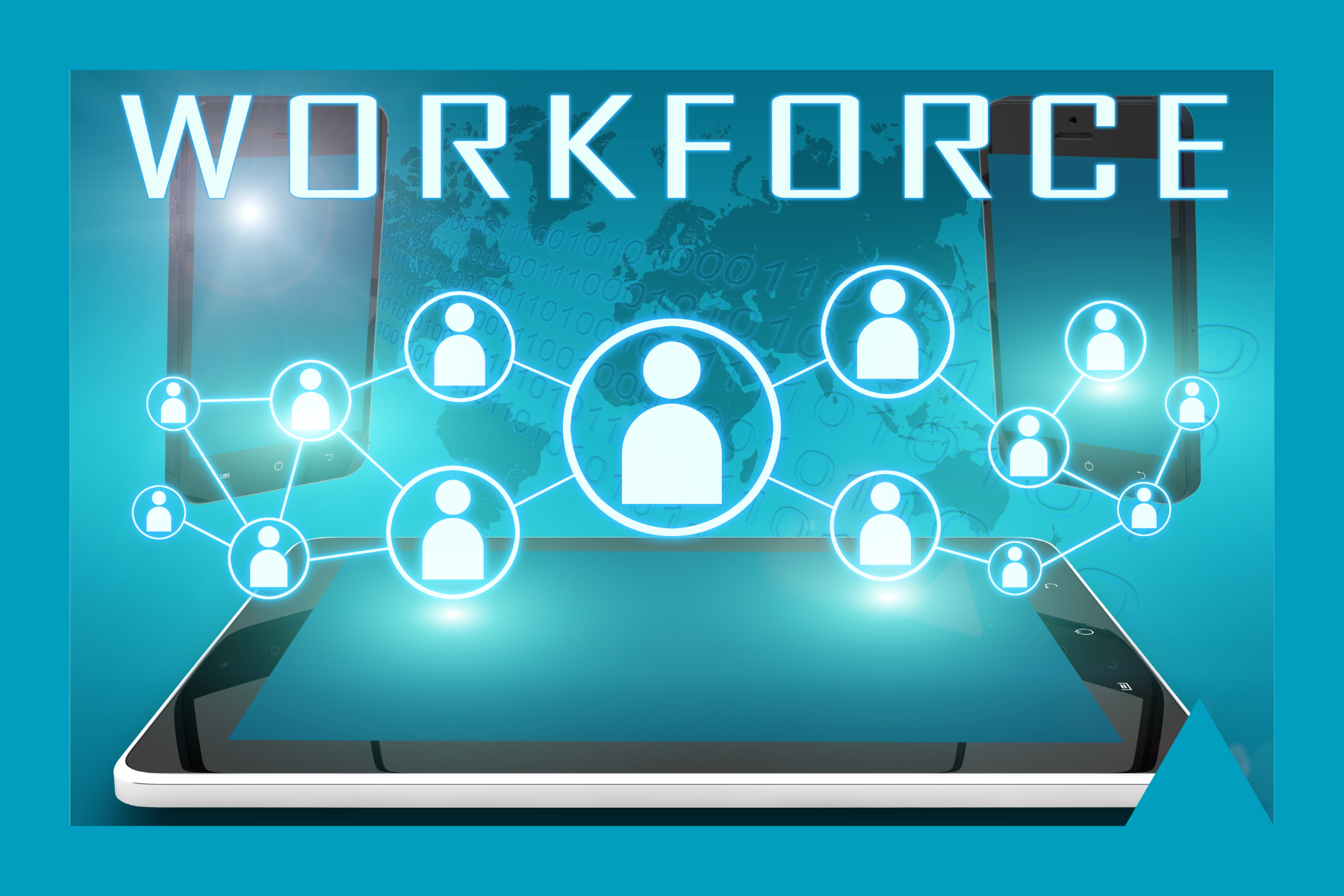
Utilities across North America are facing a workforce shift that is affecting how they operate, plan, and serve customers. Many organizations now plan for shorter employee tenure, increased retirement eligibility, and rising expectations from the communities they serve. The ideas below outline a practical, forward-looking approach to maintaining operational strength over the next five years.
A Workforce Shift That Requires Planning
The U.S. Environmental Protection Agency reports that one-third of the water sector workforce will become eligible for retirement within ten years. Younger employees often stay in roles for shorter periods. Training new staff can take 15 months, yet many organizations achieve only 1 year of full productivity before turnover occurs. Smaller utilities feel this most because losing only a few people removes critical experience and reduces overall stability.
Utilities must plan for retirements, turnover, and customer expectations simultaneously. This combination motivates organizations to adopt more intentional workforce strategies.

Why Early Action Creates Stability
If organizations do not prepare for demographic and workplace changes, they risk:
- Losing standard operating knowledge
- Reduced consistency in processes
- Lengthy onboarding for new hires
- Higher workloads for the remaining staff
- Service quality challenges that affect customers
Utilities can prevent these outcomes by strengthening documentation, structuring knowledge transfer, and purposefully using technology.
A Practical Framework for the Next Five Years
The following approach helps utilities take measurable steps toward stability and long-term continuity.
Understand the Current State
Utilities should begin with a clear assessment of workforce risk. This includes identifying roles with single-point-of-failure risks, reviewing the responsibilities of employees nearing retirement, and documenting essential processes. Capturing this information now prevents gaps later.
Shared Knowledge in Ways Teams Can Use
After documenting key knowledge, utilities should make it accessible. AI tools support this effort by organizing standard operating procedures, offering consistent instructions, and providing quick access to important information. This approach keeps institutional knowledge available regardless of employee turnover.
Reduce Manual Tasks With Targeted Automation
Automation helps organizations manage limited staff capacity. Useful areas include workflow automation, CIS Infinity Actions, trigger-based processes, and automated customer communication. These improvements prevent backlog, reduce errors, and free employees to focus on work that requires judgment and interaction.
Equip Staff with Tools That Support Success
Shorter employee tenure increases the importance of tools that accelerate learning. Staff benefit from AI copilots, real-time instruction, and centralized knowledge libraries. These resources simplify decision-making and help new employees gain confidence quickly.
Expand Effective Self-Service Options for Customers
Strong self-service tools lower the demand on call centers and frontline teams. Utilities can improve capacity by offering:
Customers can gain more control over their interactions, and staff regain time for work that requires their expertise.
Partner Strategically for Technical and Operational Support
Utilities often lack in-house capacity to manage hosting, security, patching, infrastructure, and compliance. Partnering on these services results in stronger system reliability, reduced internal workload, better scalability, and consistent adherence to best practices. This approach allows staff to focus on delivering service instead of managing technical overhead.
Looking Ahead
Utilities can create organizations that remain strong regardless of workforce cycles. By documenting knowledge, improving processes, and adopting modern tools, utilities can maintain high service levels and consistent operations while workforce demographics evolve. If you need help future-proofing your utility against the inevitability of the workforce cliff, contact us today. We can help.