
Customer expectations continue to change rapidly, and utilities now operate in a world where convenience is no longer a differentiator but a requirement. Hyper‑convenience describes a customer experience that is fast, simple, seamless, and available on the customer’s terms. What began as a trend in retail and technology has expanded across every industry, including energy. Utilities that embrace hyper‑convenience strengthen relationships, reduce friction, and build trust in ways that align with how customers want to interact today.
Why Hype-Convenience Matters
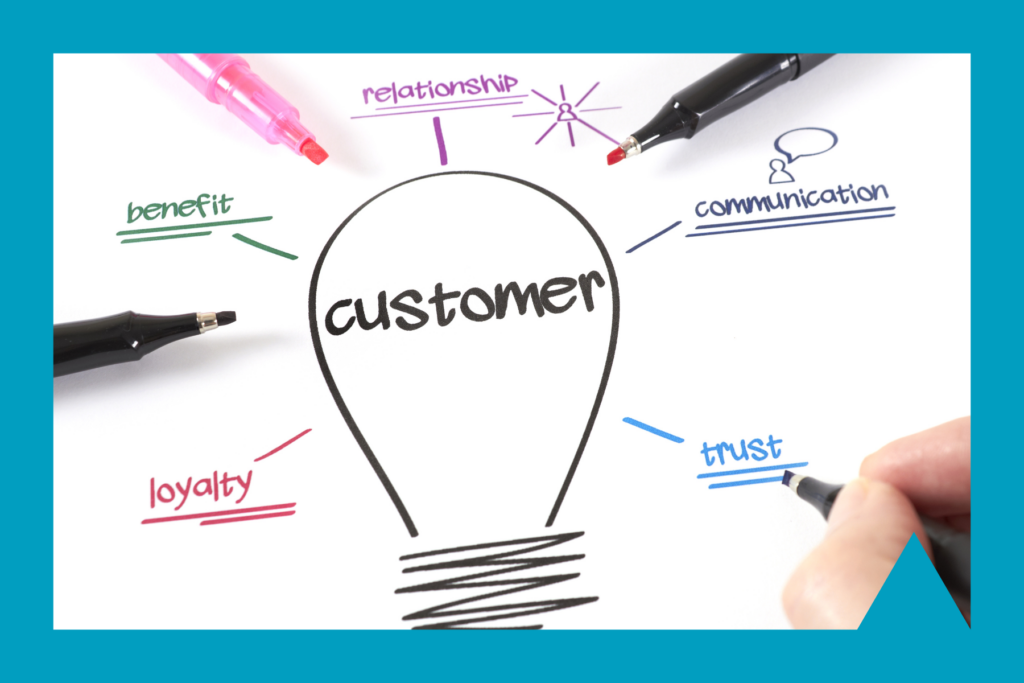
Customers expect every organization they interact with to offer easy, fast, and tailored experiences. This expectation includes utility providers. Customers want direct access to information, simple account management, and communication that fits their preferences. When utilities provide this level of convenience, they remove obstacles and improve day‑to‑day interactions.
Customers continue to grow more familiar with streamlined digital experiences. As a result, they often compare their utility provider to companies in other industries that already offer high levels of convenience.
Key Elements of Hyper-Convenience for Utilities
Multichannel Engagement
Customers use different communication channels. Hyper‑convenience means reaching customers in the places they already use, such as:
- Mobile Apps
- Websites
- Text Messaging
- Voice Assistants
Consistent information across channels creates a smooth experience for customers.
One-Click Transactions
Simple processes reduce frustration. Utilities can adopt minimal-step experiences for:
- Bill Payment
- Program Enrollment
- Outage Alert Sign-ups
- Account Changes
These improvements make frequent tasks faster and easier.
Proactive Notifications
Customers want timely updates without having to search for information. Utilities can support this preference through:
- Real-time Outage Alerts
- Billing Reminders
- Usage Updates
- Important Service Information
Proactive communication helps customers stay informed and reduces service inquiries.
How Utilities Can Adopt Hyper-Convenience
Utilities can begin implementing hyper‑convenience by simplifying tasks, reviewing customer interactions, and removing unnecessary steps. They can also give customers greater control by offering clear, reliable self‑service tools that work at any time. In addition, utilities can improve digital experiences by using customer feedback and digital behavior insights to refine online tools and eliminate friction.
Looking Ahead
Hyper‑convenience represents a long‑term shift in customer expectations. Utilities that prioritize fast, simple, and flexible experiences can improve satisfaction, reduce service volume, and build stronger customer relationships. By integrating the principles of hyper‑convenience, utilities create smoother customer interactions and more efficient processes for their internal teams.